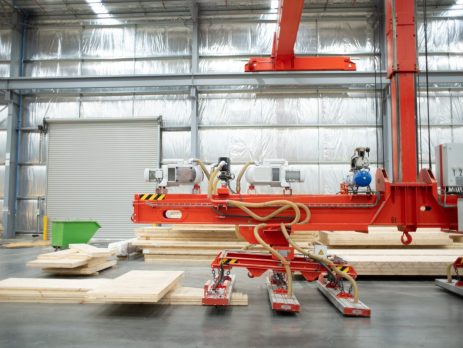
A Sustainable Choice: Uncovering the CLT Manufacturing Process at SZN Mass Timber
In an age where sustainability is paramount in the construction industry, one material has stood out as a shining example of environmentally responsible building practices: Cross Laminated Timber (CLT). Its remarkable features such as durability, versatility and environmental friendliness make it a sustainable choice for architects, builders and environmentally conscious customers. In this blog post, we will take an in-depth look at the manufacturing process of CLT, focusing on SZN Mass Timber, a leading manufacturer committed to sustainable practices.Understanding Cross Laminated Timber (CLT)
Cross Laminated Lumber (CLT) is an engineered wood product that involves layers of dimensional lumber boards bonded together with structural adhesive stacked in perpendicular directions. This innovative approach results in a construction material that is versatile, sustainable and cost-effective.Eco-Friendly Features
One of the main reasons for CLT's popularity is its exceptional sustainability:1. Sustainable Resource Use:
- CLT primarily uses sustainably harvested wood and supports responsible forest management.
2. Carbon Capture:
- Wood, the main component of CLT, helps combat climate change by acting as a carbon sink.
3. Less Energy Consumption:
- The manufacturing process of CLT consumes significantly less energy compared to traditional materials such as concrete and steel.
4. Minimum Waste:
- CLT has been precisely designed to minimize waste on site, reducing the environmental footprint of construction projects.