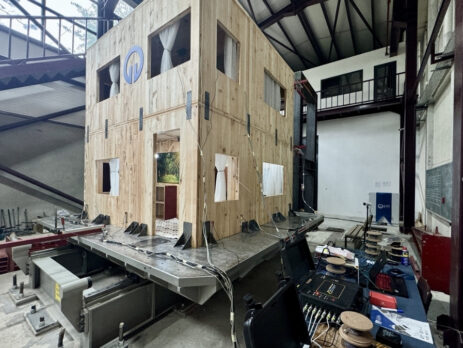
When it comes to designing outages that are resistant to natural disasters such as earthquakes, one of the most important factors to consider is the material used in construction. Cross Laminated Timber (CLT), a sustainable and increasingly popular building material, has shown remarkable potential for earthquake resistance. Although traditionally seismic electricity has been dominated by methods such as concrete and steel, CLT is gaining attention for its unique properties of increasing the amplification of a building during seismic events.
What Makes CLT Earthquake Resistant?
CLT is made by layering wood panels in alternating directions, which are then joined together to create large, sturdy boards. This cross-laminated structure gives CLT exceptional strength and stability. The main features of CLT that contribute to earthquakes:
1. Lightweight, High Strength
One of the fundamental reports of earthquake engineering is that lighter structures are subjected to less stress during seismic duration. CLT is significantly lighter than traditional concrete and steel structures. Although its lightness increases the strength of the cross-lamination system, it ensures that seismic forces are absorbed and distributed efficiently. This low weight and high strength make CLT an ideal material for earthquake-resistant buildings.
2. Flexibility and Ductility
CLT's ability to stretch and deform without breaking is very important in earthquakes. Unlike brittle materials like concrete, which can crack and break under stress, CLT can bend and return to its original shape. This flexibility allows the continuity and distribution of CLT structures from ground motion, reducing the risk of serious damage during an earthquake. The ductility of CLT is further enhanced by the fastening systems used, which are often designed to allow slight movement without compromising its internal integrity.
3. High Performance under Lateral Loads
During an earthquake, buildings are exposed to lateral forces, that is, sideways resulting from shaking of the ground. The cross-laminated structure of CLT provides excellent resistance to these forces. Extreme layers in CLT act as shear walls, helping to resist lateral movement and retain the stability of the coin. However, extreme shaking or collapse interruptions during seismic activity of CLT buildings are reduced.
4. Less Risk of Damage
Risk of damage to CLT due to natural properties. Due to its ability to absorb energy, CLT structures may be subject to less cracking, deformation and damage compared to traditional methods. This is especially important for buildings in high-seismic zones, where minimizing resilient damage can save lives and repair solutions during an earthquake.
CLT in Seismic Zones: Real World Examples
A variety of earthquake-resistant CLT buildings have been constructed to test their performance in real-world conditions. In areas with high seismic activity, such as Japan, New Zealand and Canada, CLT has been successfully recorded in both low- and mid-rise construction.
For example, the University of British Columbia's Brock Commons tower, one of the tallest hybrid CLT buildings ever assembled, was designed with earthquake resistance in mind. Engineers considered the seismic risks in the area and retained CLT's inherent seismic resilience strategies. It has proven to perform exceptionally well during building displacement, preserving valuable data for CLT constructions where seismic data is stored.
The Role of CLT in Sustainable Seismic Design
CLT's sustainability, as well as earthquake resistance, make it a likable option for architects and engineers dedicated to environmentally friendly construction. CLT is made from wood, a complementary resource, and the manufacturing process emits much less carbon than steel and concrete. Redundant CLT buildings dismantled and rebuilt