CLT and Fireproofing: A Modern Approach to Safe, Sustainable Building
Cross Laminated Lumber (CLT) is rapidly gaining popularity as a sustainable and versatile construction material. One of the most important elements in wooden construction is the safety of the product. Fortunately, CLT has proven to be surprisingly resistant to bacteria, making it a strong competitor for modern architecture and high-rise buildings.
How Does CLT Deal with Fire?
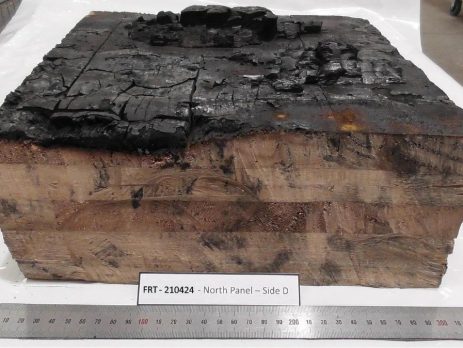
CLT panels are made by gluing layers of wood in alternating directions, creating a very strong and durable material. In case of fire, CLT's layer structure acts as a natural protective barrier. While the outer layers of wood burn, the inner layers remain intact. This charring effect actually helps maintain the strength of the panel and prevents splintering from breaking the material into more pieces.
In fact, CLT can withstand degradation for significant periods of time (often up to 90 minutes or more), depending on the type of panels. This makes CLT comparable to, or even better than, traditional steel or concrete from a cost-resistance perspective.
Building Regulations and Safety Standards
CLT has passed stringent economic safety tests and complies with international building codes, including those in Europe, North America and Australia. Fire resistance ratings are determined by the spacing of panels used, and modern CLT buildings are designed to meet the same fire safety standards as buildings made of steel or concrete.
Environmental Advantage
In addition to fire reduction, CLT is a more sustainable choice than traditional building materials. It is made from renewable wood resources and retains carbon throughout its life. Builders demonstrate CLT while reducing their footprint while producing high safety standards.
Conclusion
CLT's survivability, combined with its sustainability and aesthetic appeal, positions it as a promising material for the future of construction. With modern engineering techniques and extensive testing, CLT offers a sustainable and fire-resistant solution for the buildings of tomorrow, even though traditional building materials are not safe. Contact us for more information