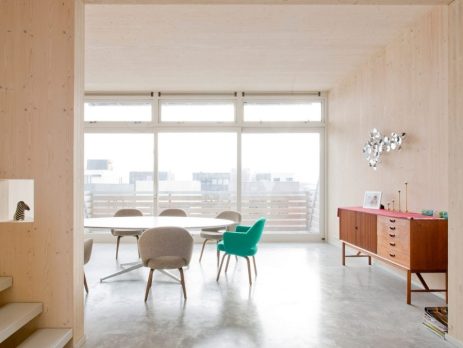
Benefits of Using Cross Laminated Timber (CLT) in Construction
In recent years, the construction industry has witnessed a shift towards more sustainable, efficient and advanced building materials. Among these, Cross Laminated Timber (CLT) has emerged as a prominent option. A versatile engineered wood product, CLT offers a wide range of advantages over traditional construction materials such as steel and concrete. This blog post begins to examine the main advantages of using CLT and why acceleration generation is a preferred option in modern buildings.
Sustainability: A Greener Building Material
One of the most interesting reasons for using CLT is its environmentally friendly presence. CLT is made from wood, a complementary resource, and its parts play a crucial role in reducing carbon footprint. Here's how to do it:
- Carbon Storage: Trees absorb and store carbohydrates from the atmosphere during their growth. This carbon remains locked within the wood even after it has been processed into CLT. CLT buildings significantly reduce greenhouse emissions by using wood instead of carbon-intensive methods such as concrete or steel.
- Sustainable Forestry: CLT is often sourced from sustainably managed forests, ensuring the goods are sourced from responsibly harvested timber, contributing to long-term forest health and biodiversity.
- Less Waste: CLT panels can be prefabricated, creating less waste on construction sites as opposed to traditional construction methods. Prefabrication precision minimizes excess material and reduces the overall impact on the environment.
-
Strength and Durability: Designed to Last
The wood CLT is incrediblystrong and durable yet preserved. Its cross-laminated structure, in which each layer of wood is oriented vertically underneath, gives it exceptional strength and durability.
- Load Carrying Capacity: CLT does not carry heavy loads, making it suitable for both low and high buildings. It can be used for walls, floors and roofs, providing versatility in design.
- Resistance to Warping and Shrinkage: Cross lamination of the timber layer reduces the wear of shrinkage or swelling, remaining natural throughout the duration of the wood. As a result, a material that is dimensionally stable and can maintain its durability integrity for many years is obtained.
- Seismic Performance: Seismically stabilized, CLT structures perform exceptionally well due to their lightweight construction and ability to absorb and disperse seismic forces.
-
Energy Efficiency: Natural Insulation
CLT buildings are highly energy efficient; This is a very important factor in saving energy and reducing operating costs over time.
- Thermal Performance: Wood is a natural insulator and CLT's solid wood structure provides excellent thermal performance. This helps maintain comfortable indoor temperatures and reduces heating and cooling costs, resulting in lower energy bills.
- Air Tightness: Prefabricated CLT panels fit tightly, ensuring minimum air leakage. This airtight construction helps preserve energy