The Mass Timber Revolution: Sustainable Building for a Greener Future
Introduction
In the search for more durable and efficient building practices, mass timber has emerged as a solution that can change the landscape of construction. In this blog post we will dive deep into the earth's great depths, exploring their interests, benefits, established records and their role in a greener and more sustainable region.
The Rise of Solid Timber
Solid Lumber represents a category of engineered wood products that includes Cross Laminated Lumber (CLT), Glued Laminated Lumber (Glulam) and Laminated Veneer Lumber (LVL). This building material provides a number of advantages:
1. Sustainability: Mass timber comes from sustainably managed forests, promoting responsible forest management and reducing the carbon footprint of construction projects.
2. Carbon Sequestration: Wood, the main product of mass timber, sequesters carbon, mitigating climate change by sequestering constraints.
3. Versatility: Solid wood can be used in a wide variety of applications, from residential and commercial buildings to bridges and cultural centers
Innovative Applications
Mass timber isn't just about building with wood; It is about resizing the possibilities of architecture and construction. The development programs of solid timber include:
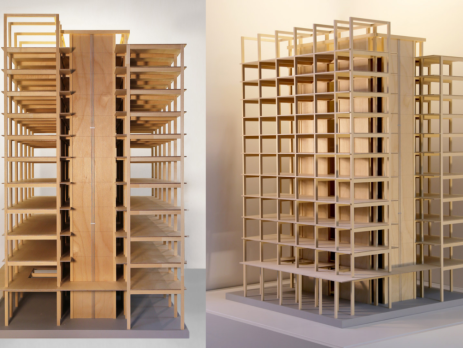
1. Tall Wooden Buildings: Solid wood is now useful in the construction of tall buildings, revolutionizing architecture and reducing the carbon footprint in the city.
2. Bridges and Infrastructure: The use of mass timber to build bridges, which in turn transforms environmentally friendly transportation infrastructure
3. Sustainable Residential Construction: Solid wood is becoming the material of choice for living homeowners who value sustainability and the warmth of wood in their homes
Building a Greener Future
The adoption of mass timber is one source of the growing movement towards sustainable and environmentally friendly construction. The positive growth impact of this material is not limited to today, but extends into the future.
Conclusion
The rise of mass timber represents a significant shift in the construction industry towards a more sustainable and responsive future. As more architects, builders and customers realize the potential of solid wood